PAGINA INTERNA
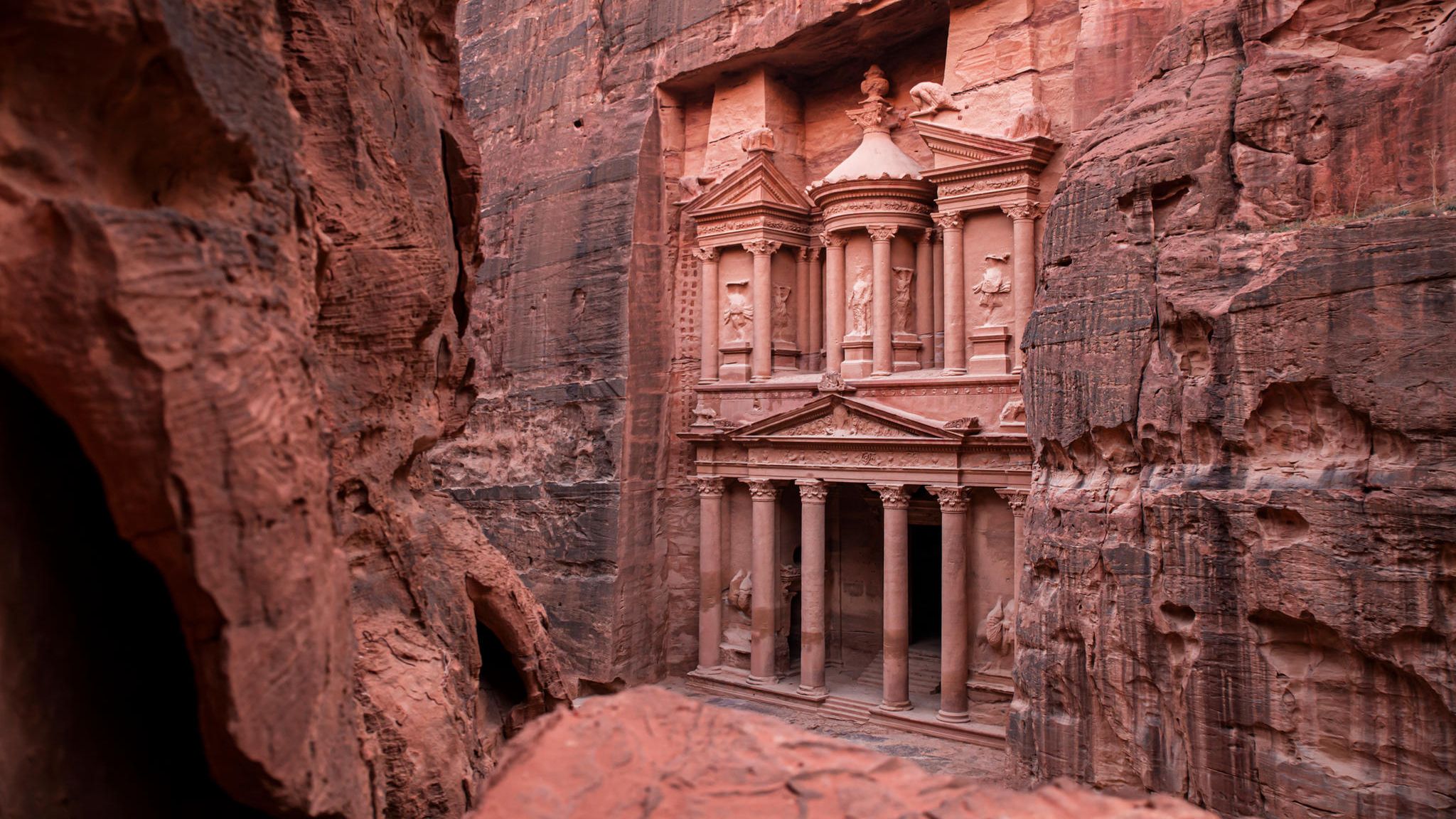
Deberia mostrarse tambien esta foto en la parte principal. In 2018, three finely carved Nabataean stone fragments—once part of the altar platform of the temple at Khirbet et-Tannur, near Petra—were identified and returned to Jordan in a remarkable act of scholarly collaboration and ethical responsibility. The temple complex, flourishing between the 2nd century BC and the 4th century AD, is a key monument of Nabataean civilization. After its excavation in 1937, its artefacts were divided between Jordan and institutions abroad, including the Cincinnati Art Museum. Some of its most iconic pieces are today displayed at the Jordan Museum.
The Discovery
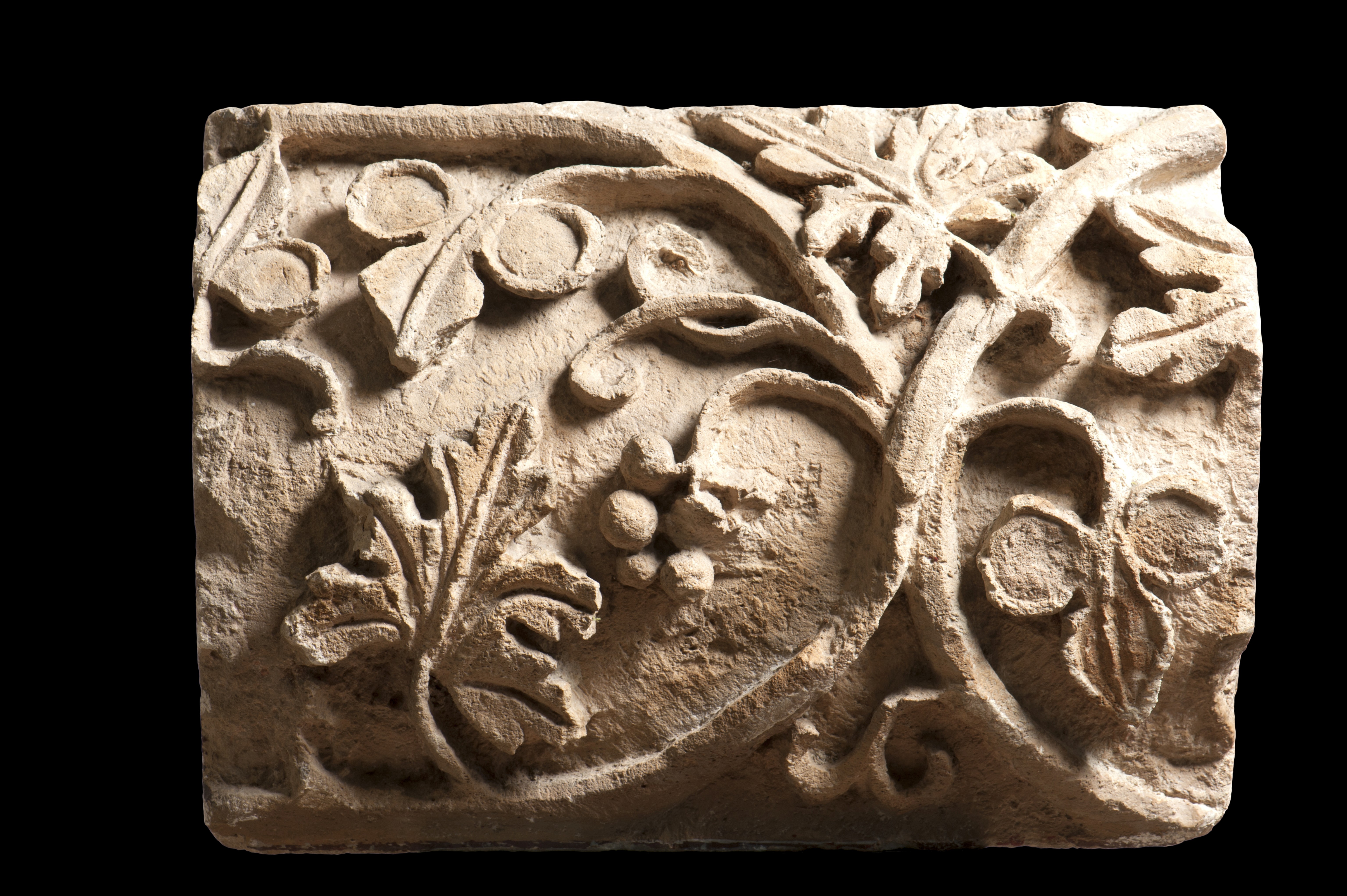
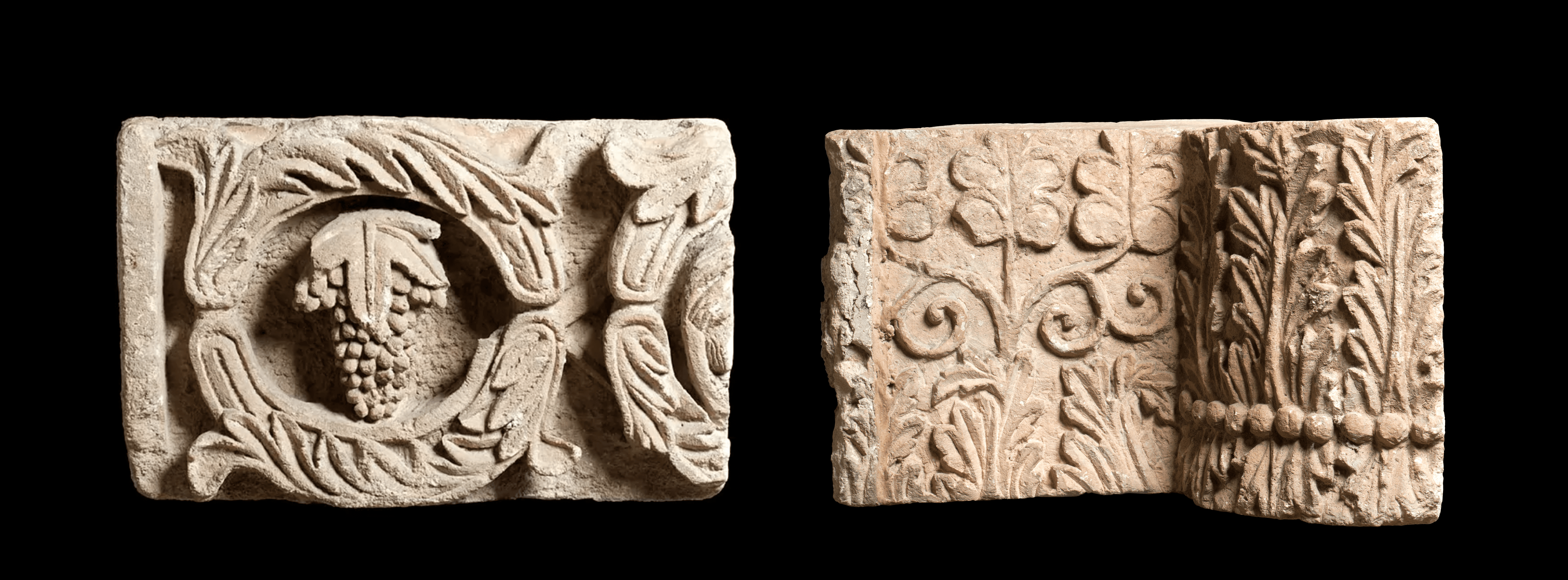
The three stones—decorated with vegetal and grapevine motifs—had quietly formed part of a private collection in Spain, once owned by Spanish diplomat Juan Durán-Lóriga y Rodrigañez. After being acquired in 2017 by Diego López de Aragón, director of Galería López de Aragón, the pieces were initially thought to be Gothic. However, upon further investigation—and after discovering excavation references in Nelson Glueck’s publication Deities and Dolphins—López de Aragón contacted Oxford archaeologist Judith McKenzie for expert verification. Dr. McKenzie immediately identified the fragments as originating from the altar platform at Khirbet et-Tannur. Crucially, no documentation could prove their lawful export from Jordan decades earlier.
(a su lado) mirar ejemplo
The Ethical Decision
Rather than proceeding with a sale, Diego López de Aragón made a decisive choice: he donated the artefacts to the Hashemite Kingdom of Jordan. The repatriation process involved coordination between Spanish and Jordanian authorities, including: The Department of Antiquities of Jordan The Spanish Ministry of Culture The Jordanian Embassy in Madrid Princess Dana Firas, President of the Petra National Trust and UNESCO Goodwill Ambassador Princess Dana Firas publicly acknowledged the gallery’s integrity, describing the return as a model of cooperation between governments, civil society, academia, and the private art sector.
A Model for Cultural Diplomacy
The artefacts are now in Jordan, awaiting permanent display at the Jordan Museum alongside other fragments from the same temple. Their return represents more than restitution—it reflects a commitment to provenance research, transparency, and cultural responsibility. As Diego López de Aragón stated, “Not everything in our profession is about profit.” Despite losing the €25,000 purchase investment and potential market revenue, the decision reinforced a principle: when doubt exists, ethical stewardship must prevail.
Why This Matters This case demonstrates:
The importance of scholarly expertise in provenance verification
The growing role of ethical accountability in the art market
The power of international collaboration in cultural heritage protection
A practical example of cultural diplomacy in action
Ultimately, the return of these Nabataean fragments stands as a compelling example of how private actors, academic institutions, and public authorities can work together to restore history to its rightful context.
🔗 Ancient artefacts returned to Jordan with help of Oxford expert
🔗 La alianza de un galerista español y una princesa jordana para devolver varios tesoros de Petra
Deberia mostrarse tambien esta foto en la parte principal. In 2018, three finely carved Nabataean stone fragments—once part of the altar platform of the temple at Khirbet et-Tannur, near Petra—were identified and returned to Jordan in a remarkable act of scholarly collaboration and ethical responsibility. The temple complex, flourishing between the 2nd century BC and the 4th century AD, is a key monument of Nabataean civilization. After its excavation in 1937, its artefacts were divided between Jordan and institutions abroad, including the Cincinnati Art Museum. Some of its most iconic pieces are today displayed at the Jordan Museum.
The Discovery
The three stones—decorated with vegetal and grapevine motifs—had quietly formed part of a private collection in Spain, once owned by Spanish diplomat Juan Durán-Lóriga y Rodrigañez. After being acquired in 2017 by Diego López de Aragón, director of Galería López de Aragón, the pieces were initially thought to be Gothic. However, upon further investigation—and after discovering excavation references in Nelson Glueck’s publication Deities and Dolphins—López de Aragón contacted Oxford archaeologist Judith McKenzie for expert verification. Dr. McKenzie immediately identified the fragments as originating from the altar platform at Khirbet et-Tannur. Crucially, no documentation could prove their lawful export from Jordan decades earlier.
(a su lado) mirar ejemplo
The Ethical Decision
Rather than proceeding with a sale, Diego López de Aragón made a decisive choice: he donated the artefacts to the Hashemite Kingdom of Jordan. The repatriation process involved coordination between Spanish and Jordanian authorities, including: The Department of Antiquities of Jordan The Spanish Ministry of Culture The Jordanian Embassy in Madrid Princess Dana Firas, President of the Petra National Trust and UNESCO Goodwill Ambassador Princess Dana Firas publicly acknowledged the gallery’s integrity, describing the return as a model of cooperation between governments, civil society, academia, and the private art sector.
A Model for Cultural Diplomacy
The artefacts are now in Jordan, awaiting permanent display at the Jordan Museum alongside other fragments from the same temple. Their return represents more than restitution—it reflects a commitment to provenance research, transparency, and cultural responsibility. As Diego López de Aragón stated, “Not everything in our profession is about profit.” Despite losing the €25,000 purchase investment and potential market revenue, the decision reinforced a principle: when doubt exists, ethical stewardship must prevail.
Why This Matters This case demonstrates:
The importance of scholarly expertise in provenance verification
The growing role of ethical accountability in the art market
The power of international collaboration in cultural heritage protection
A practical example of cultural diplomacy in action
Ultimately, the return of these Nabataean fragments stands as a compelling example of how private actors, academic institutions, and public authorities can work together to restore history to its rightful context.
🔗 Ancient artefacts returned to Jordan with help of Oxford expert
🔗 La alianza de un galerista español y una princesa jordana para devolver varios tesoros de Petra
Deberia mostrarse tambien esta foto en la parte principal. In 2018, three finely carved Nabataean stone fragments—once part of the altar platform of the temple at Khirbet et-Tannur, near Petra—were identified and returned to Jordan in a remarkable act of scholarly collaboration and ethical responsibility. The temple complex, flourishing between the 2nd century BC and the 4th century AD, is a key monument of Nabataean civilization. After its excavation in 1937, its artefacts were divided between Jordan and institutions abroad, including the Cincinnati Art Museum. Some of its most iconic pieces are today displayed at the Jordan Museum.
The Discovery
The three stones—decorated with vegetal and grapevine motifs—had quietly formed part of a private collection in Spain, once owned by Spanish diplomat Juan Durán-Lóriga y Rodrigañez. After being acquired in 2017 by Diego López de Aragón, director of Galería López de Aragón, the pieces were initially thought to be Gothic. However, upon further investigation—and after discovering excavation references in Nelson Glueck’s publication Deities and Dolphins—López de Aragón contacted Oxford archaeologist Judith McKenzie for expert verification. Dr. McKenzie immediately identified the fragments as originating from the altar platform at Khirbet et-Tannur. Crucially, no documentation could prove their lawful export from Jordan decades earlier.
(a su lado) mirar ejemplo
The Ethical Decision
Rather than proceeding with a sale, Diego López de Aragón made a decisive choice: he donated the artefacts to the Hashemite Kingdom of Jordan. The repatriation process involved coordination between Spanish and Jordanian authorities, including: The Department of Antiquities of Jordan The Spanish Ministry of Culture The Jordanian Embassy in Madrid Princess Dana Firas, President of the Petra National Trust and UNESCO Goodwill Ambassador Princess Dana Firas publicly acknowledged the gallery’s integrity, describing the return as a model of cooperation between governments, civil society, academia, and the private art sector.
A Model for Cultural Diplomacy
The artefacts are now in Jordan, awaiting permanent display at the Jordan Museum alongside other fragments from the same temple. Their return represents more than restitution—it reflects a commitment to provenance research, transparency, and cultural responsibility. As Diego López de Aragón stated, “Not everything in our profession is about profit.” Despite losing the €25,000 purchase investment and potential market revenue, the decision reinforced a principle: when doubt exists, ethical stewardship must prevail.
Why This Matters This case demonstrates:
The importance of scholarly expertise in provenance verification
The growing role of ethical accountability in the art market
The power of international collaboration in cultural heritage protection
A practical example of cultural diplomacy in action
Ultimately, the return of these Nabataean fragments stands as a compelling example of how private actors, academic institutions, and public authorities can work together to restore history to its rightful context.
🔗 Ancient artefacts returned to Jordan with help of Oxford expert
🔗 La alianza de un galerista español y una princesa jordana para devolver varios tesoros de Petra
Deberia mostrarse tambien esta foto en la parte principal. In 2018, three finely carved Nabataean stone fragments—once part of the altar platform of the temple at Khirbet et-Tannur, near Petra—were identified and returned to Jordan in a remarkable act of scholarly collaboration and ethical responsibility. The temple complex, flourishing between the 2nd century BC and the 4th century AD, is a key monument of Nabataean civilization. After its excavation in 1937, its artefacts were divided between Jordan and institutions abroad, including the Cincinnati Art Museum. Some of its most iconic pieces are today displayed at the Jordan Museum.
The Discovery
The three stones—decorated with vegetal and grapevine motifs—had quietly formed part of a private collection in Spain, once owned by Spanish diplomat Juan Durán-Lóriga y Rodrigañez. After being acquired in 2017 by Diego López de Aragón, director of Galería López de Aragón, the pieces were initially thought to be Gothic. However, upon further investigation—and after discovering excavation references in Nelson Glueck’s publication Deities and Dolphins—López de Aragón contacted Oxford archaeologist Judith McKenzie for expert verification. Dr. McKenzie immediately identified the fragments as originating from the altar platform at Khirbet et-Tannur. Crucially, no documentation could prove their lawful export from Jordan decades earlier.
(a su lado) mirar ejemplo
The Ethical Decision
Rather than proceeding with a sale, Diego López de Aragón made a decisive choice: he donated the artefacts to the Hashemite Kingdom of Jordan. The repatriation process involved coordination between Spanish and Jordanian authorities, including: The Department of Antiquities of Jordan The Spanish Ministry of Culture The Jordanian Embassy in Madrid Princess Dana Firas, President of the Petra National Trust and UNESCO Goodwill Ambassador Princess Dana Firas publicly acknowledged the gallery’s integrity, describing the return as a model of cooperation between governments, civil society, academia, and the private art sector.
A Model for Cultural Diplomacy
The artefacts are now in Jordan, awaiting permanent display at the Jordan Museum alongside other fragments from the same temple. Their return represents more than restitution—it reflects a commitment to provenance research, transparency, and cultural responsibility. As Diego López de Aragón stated, “Not everything in our profession is about profit.” Despite losing the €25,000 purchase investment and potential market revenue, the decision reinforced a principle: when doubt exists, ethical stewardship must prevail.
Why This Matters This case demonstrates:
The importance of scholarly expertise in provenance verification
The growing role of ethical accountability in the art market
The power of international collaboration in cultural heritage protection
A practical example of cultural diplomacy in action
Ultimately, the return of these Nabataean fragments stands as a compelling example of how private actors, academic institutions, and public authorities can work together to restore history to its rightful context.
🔗 Ancient artefacts returned to Jordan with help of Oxford expert
🔗 La alianza de un galerista español y una princesa jordana para devolver varios tesoros de Petra